Xiaomi YU7 GT sets another Nurburgring record – with nobody in the driver’s seat
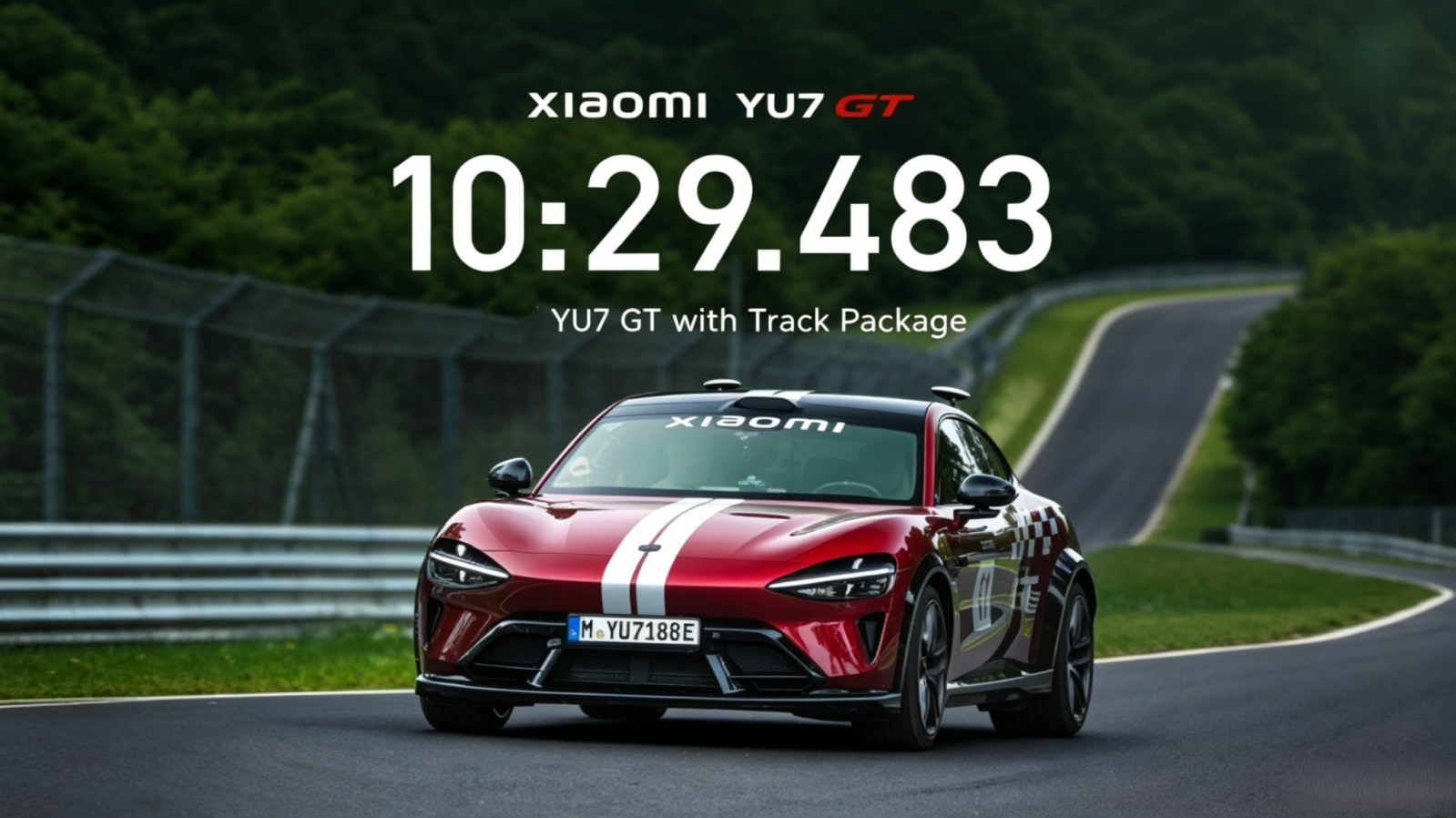
Xiaomi returned to the Nürburgring to set another lap record, but this time it did it with nobody in the car at all, setting down the first official autonomous time at the world-famous racetrack.
The rapid advancements in AI and autonomous driving systems, coupled with competitive pressures in the EV market, are accelerating demonstrations of advanced capabilities.
This event showcases the rapid progress of autonomous driving beyond simple navigation, highlighting a significant milestone in safety, performance, and the potential for AI agents to control complex physical systems.
The demonstration moves autonomous vehicle capabilities from controlled environments to high-performance, real-world scenarios, shifting perceptions of their potential and accelerating the timeline for broader adoption in varied use cases.
- · Autonomous vehicle developers
- · AI software and hardware companies
- · Robotics and automation sector
- · High-performance vehicle manufacturers leveraging AI
- · Traditional human-driven racing leagues
- · Companies slow to adopt autonomy in their product lines
- · Human professional drivers in certain niches
Companies will invest more heavily in developing and testing autonomous systems for extreme conditions and performance applications.
Public perception of autonomous vehicles will improve, potentially accelerating regulatory approval and consumer adoption beyond current expectations.
The development of 'ghost racing' or fully autonomous competitive sports could emerge, redefining motor sports and entertainment.
This signal links to a primary source. Continuum Brief monitors and indexes it as part of the live intelligence stream — we do not republish source content.
Read at Electrek