Yamaha expands autonomous farming platform with new weed-control system for orchards and vineyards
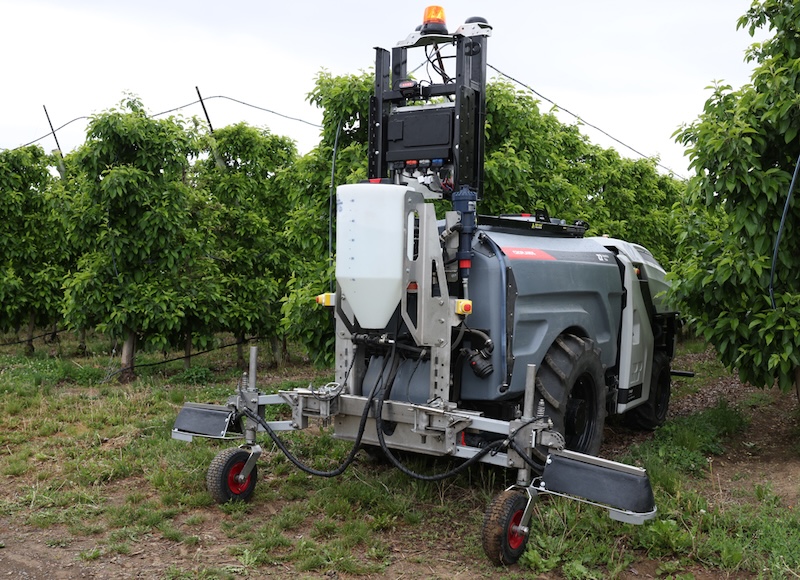
Yamaha Agriculture is expanding the capabilities of its Prospr autonomous farming platform with a new herbicide attachment designed to automate weed control in orchards and vineyards. Developed with Croplands Equipment, the system adds precision herbicide application to Prospr’s growing list of autonomous field operations, helping specialty crop growers reduce labor requirements, improve spraying consistency, and […]
The agricultural sector faces increasing labor shortages and a demand for greater efficiency and precision, making autonomous solutions highly relevant today.
This development signifies a continued acceleration in the automation of agriculture, impacting food production efficiency, resource management, and labor markets globally.
Commercial autonomous farming platforms are expanding their capabilities to address more complex and specialized tasks, moving beyond basic field operations.
- · Agricultural technology companies
- · Specialty crop growers
- · Precision agriculture sector
- · Robotics manufacturers
- · Manual agricultural labor
- · Traditional herbicide applicators
Increased adoption of autonomous systems in orchards and vineyards leads to reduced operational costs for growers.
Greater precision in herbicide application results in less chemical runoff and improved environmental sustainability.
The development of fully autonomous, AI-driven farms could reshape rural economies and require new regulatory frameworks for agricultural workforces.
This signal links to a primary source. Continuum Brief monitors and indexes it as part of the live intelligence stream — we do not republish source content.
Read at Robotics & Automation News