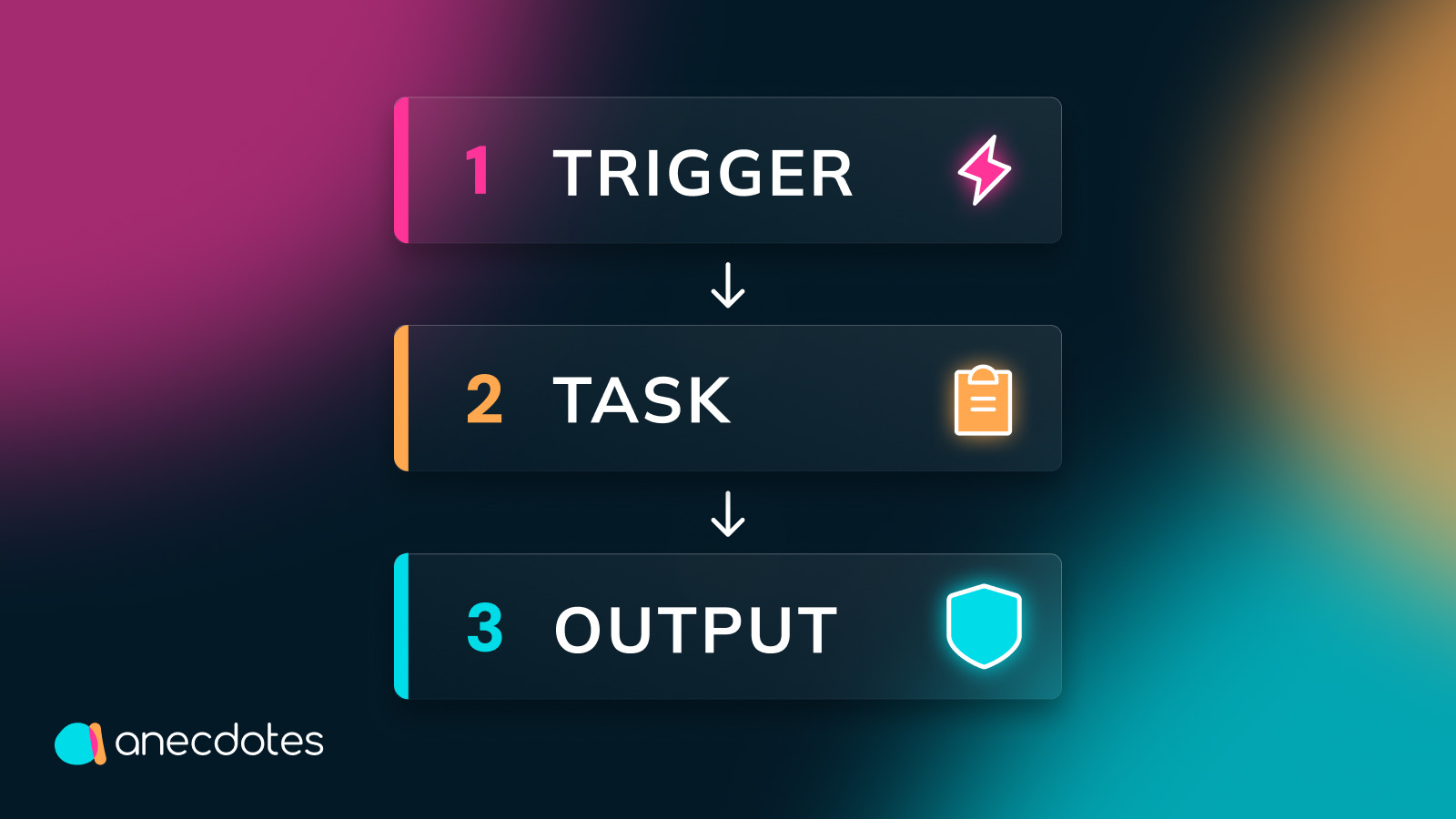
AI won't replace GRC analysts, but it can eliminate much of the repetitive work they do. Anecdotes walks through building an agent that continuously monitors controls, identifies evidence gaps, and opens remediation tasks. [...]
The rapid development and maturation of AI models are enabling increasingly complex agentic systems that can automate knowledge work, moving beyond simple task automation.
This development indicates a tangible application of AI agents in critical business functions like Governance, Risk, and Compliance, reducing manual labor and increasing efficiency in an area often seen as a bottleneck.
The GRC sector, traditionally heavily reliant on human analysts for repetitive monitoring and task assignment, can now be augmented by AI agents that continuously identify and address compliance gaps.
- · GRC software vendors
- · Companies with complex GRC requirements
- · AI agent developers
- · Cybersecurity consultancies
- · Entry-level GRC analysts
- · Traditional GRC audit firms slow to adopt AI
- · Companies with inefficient GRC processes
AI agents begin to automate significant portions of GRC workflows, leading to increased control efficiency and reduced human intervention.
The role of GRC analysts shifts from repetitive monitoring to strategic oversight, AI tool management, and handling complex exceptions.
This automation model could expand to other white-collar sectors requiring continuous monitoring and task generation, leading to widespread white-collar workflow redefinition.
This signal links to a primary source. Continuum Brief monitors and indexes it as part of the live intelligence stream — we do not republish source content.
Read at BleepingComputer